
The Unwritten Rules of Hosting a Great Event
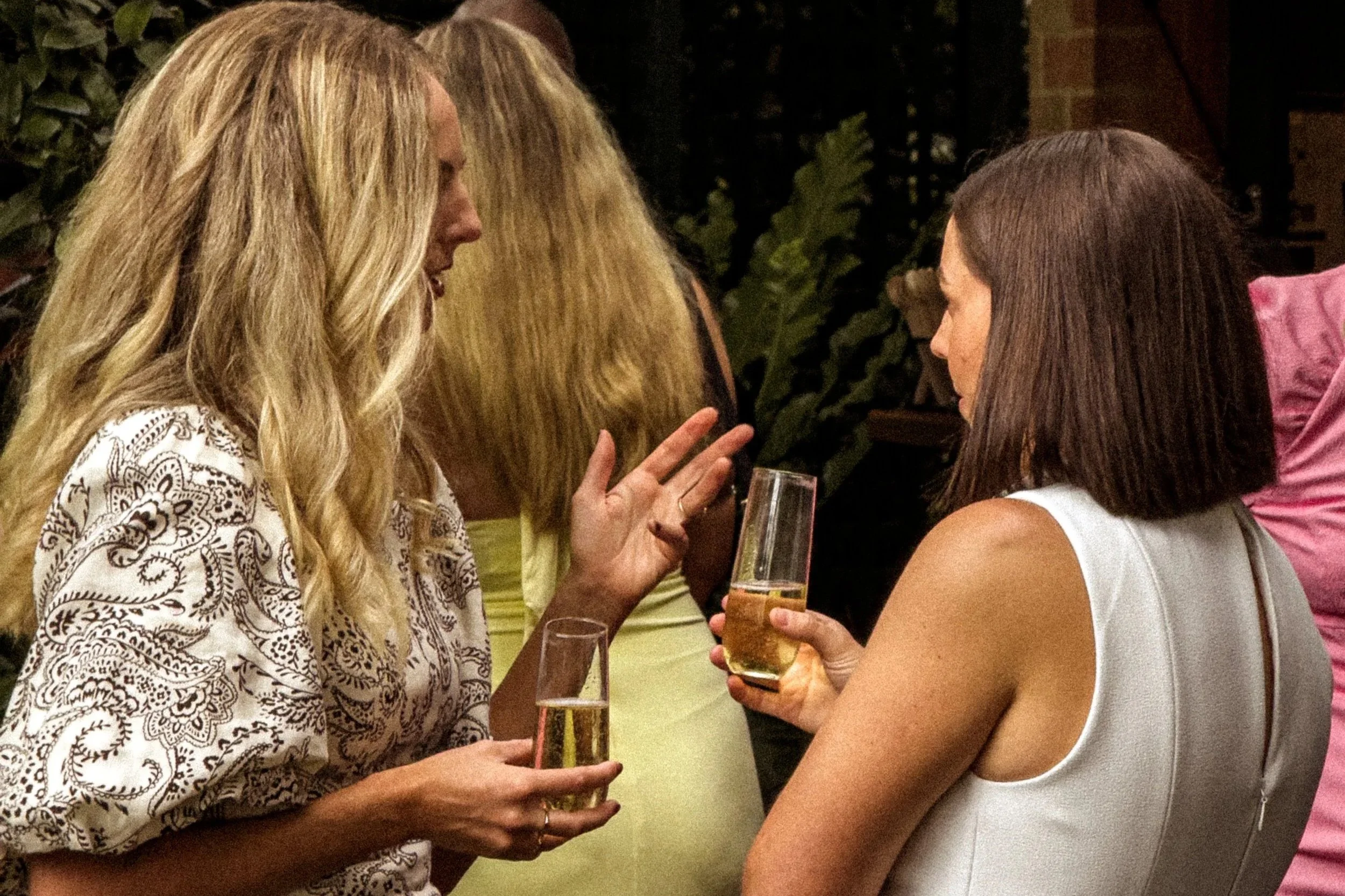
Some events are technically fine. Everything runs on time, the food arrives, the drinks are flowing, and nothing goes wrong. But the ones people actually remember usually have something else going on. They feel effortless, even when they are not.
The difference rarely comes down to budget or scale. It comes down to a handful of small, unspoken decisions that shape how people experience the space, the timing, and each other.
Here are some of the unwritten rules that separate a standard event from a genuinely great one.
1. People Remember How It Felt, Not the Schedule
A tightly packed run sheet can look impressive on paper, but guests do not experience an event as a timeline. They experience it as a flow.
If everything is structured too rigidly, people feel it. They start watching the clock instead of relaxing into the moment.
The best events leave room for breathing space between moments. Arrival, conversation, food, drinks, speeches if there are any, all of it works better when it is allowed to unfold naturally rather than being forced into tight segments.
2. Guests Always Gather Where the Drinks Are
No matter how carefully a space is arranged, people will eventually cluster around the bar or drink station.
This is not something to fight against. It is something to design for.
If the drinks feel hidden or disconnected from the main space, the energy of the event can split. When the bar or serving point is integrated into the flow, everything feels more connected and social.
3. Seating Plans Matter Less Than You Think
Seating can be useful for structure, especially for formal events. But in most social settings, people do not stay where they start.
They move. They stand. They rotate between groups.
Over-planning seating can sometimes create more rigidity than benefit. Flexible layouts often lead to more natural interaction, especially for birthdays, engagements, and casual corporate events.
4. Music Is Doing More Work Than You Realise
Music is one of the most underestimated parts of an event.
It sets pace, fills silence, and controls energy without people consciously noticing. If it is too loud, conversation disappears. If it is too quiet, the space can feel flat.
The best events use music as a background layer that supports conversation rather than competing with it. As the night evolves, so can the energy, but it should feel gradual, not abrupt.
5. Guests Need a Reason to Stay, Not Just Arrive
Getting people to show up is only half the job.
What keeps them there is usually not food or drinks alone, but comfort and flow. Places to stand, places to sit, things to talk about, and a sense that they are not being rushed through an experience.
If people feel like they can settle in, they will stay longer and enjoy themselves more.
6. The Best Events Do Not Feel Over-Explained
When guests arrive, they should not need instructions to enjoy themselves.
If everything is explained, structured, or guided too heavily, it can take away from the natural energy of the room. A good event feels intuitive. People understand where to go, what to do, and how to move without being told.
That sense of ease is usually what people remember most.
7. Something Small Should Feel Unplanned
The most memorable moments at events are often not on the schedule.
A spontaneous speech, a shared laugh, a song that lands at the right time, or a moment where everything just clicks. You cannot plan these moments directly, but you can create the conditions for them to happen.
That usually comes from not over-controlling every detail.
Final Thoughts
A great event is not just about logistics. It is about how people move through the space, how they connect, and how comfortable they feel in doing so.
When you step back from over-planning and allow space for flow, interaction, and a bit of unpredictability, that is usually when an event stops feeling organised and starts feeling memorable.
That is the part people talk about afterwards, not the run sheet.